
Volume 23, Issue 1 (3-2026)
J Res Dev Nurs Midw 2026, 23(1): 53-59 |
Back to browse issues page



Download citation:
BibTeX | RIS | EndNote | Medlars | ProCite | Reference Manager | RefWorks
Send citation to:


BibTeX | RIS | EndNote | Medlars | ProCite | Reference Manager | RefWorks
Send citation to:
Alizadeh M A, Tohidi F. Knowledge and preventive practices regarding toxoplasmosis among pregnant women attending comprehensive health centers in Gorgan, Iran. J Res Dev Nurs Midw 2026; 23 (1) :53-59
URL: http://nmj.goums.ac.ir/article-1-2264-en.html
URL: http://nmj.goums.ac.ir/article-1-2264-en.html


1- Student Research Committee, Golestan University of Medical Sciences, Gorgan, Iran
2- Infectious Diseases Research Center, Jorjani Clinical Sciences Research Institute, Golestan University of Medical Sciences, Gorgan, Iran ,tohidi66@yahoo.ca
2- Infectious Diseases Research Center, Jorjani Clinical Sciences Research Institute, Golestan University of Medical Sciences, Gorgan, Iran ,
Keywords: Toxoplasma Gondii, Gestation, Awareness, Performance, Maternal Health, Knowledge, Practice, Pregnant Women
Full-Text [PDF 500 kb]
(85 Downloads)
| Abstract (HTML) (674 Views)
Discussion
The findings of the present study indicate that although a considerable proportion of pregnant women had limited knowledge regarding toxoplasmosis, most participants demonstrated relatively appropriate preventive practices. This discrepancy between knowledge and behavior may suggest that preventive practices are influenced not only by disease-specific awareness but also by general hygienic behaviors and cultural practices adopted during pregnancy.
Previous studies have reported considerable variation in awareness levels across different geographical regions. In the present study, 11.5% of participants reported having heard or read about toxoplasmosis. This proportion is substantially lower than the 48% reported by Jones et al. in the United States (17) and the 22.4% reported by Eroğlu et al. in Turkey (18). However, it is comparable to the 11% reported by Andiappan et al. in Thailand (19).
In contrast, studies conducted in Poland have reported substantially higher levels of awareness. Smereka et al. (20) found that 94.4% of pregnant women possessed a high level of basic knowledge regarding toxoplasmosis. This marked difference highlights the important role of healthcare systems in patient education. In the Polish study, healthcare professionals were identified as the primary source of information, whereas television and the internet represented the principal information sources in the present study.
Regarding knowledge of disease characteristics, 77.4% of participants correctly recognized toxoplasmosis as a zoonotic disease, whereas only 41.7% correctly identified it as a parasitic infection. Consistent with findings from previous studies, the association between cats and toxoplasmosis was the most widely recognized aspect of disease transmission. Specifically, 46.8% of participants correctly identified cat feces as a source of Toxoplasma gondii, and 54.5% recognized transmission through contact with infected cats. These findings are comparable with those reported in Brazil (46%) and global estimates (38%), although lower than the 86.5% reported by Atif et al. (21,22).
Nevertheless, awareness of the transmission routes of toxoplasmosis remains inadequate. Similar to the findings of Millar et al., in which 83% of participants were unaware of the symptoms of toxoplasmosis, 96% of participants in the present study were unfamiliar with potential clinical manifestations, including fever and influenza-like symptoms (23). Although toxoplasmosis is frequently asymptomatic during pregnancy, awareness of its possible clinical manifestations is essential for early diagnosis and the prevention of serious neonatal complications, including ocular involvement and death.
Compared with findings from other regional studies, only 13.2% of participants in the present study demonstrated good knowledge, whereas 45.1% had moderate knowledge and 41.7% had poor knowledge. This contrasts with the findings of Khan et al. in Pakistan (24), where only 31.2% of participants demonstrated poor knowledge, suggesting relatively greater awareness within that population. Furthermore, whereas Eroğlu et al. (18) identified parity as a significant determinant of knowledge and Mostafavian et al. (16) reported significant associations with age, educational level, and household income, the present study found that only maternal age and household income were significant predictors of knowledge. These differences underscore the importance of designing public health interventions that are tailored to local sociocultural contexts rather than assuming that determinants of knowledge are universal across populations.
Interestingly, younger maternal age was significantly associated with higher awareness levels in the present study, consistent with the findings of Smereka et al. (20). This observation may be explained by younger individuals' greater engagement with reading materials and their more frequent use of internet-based health information resources.
Despite relatively limited knowledge, participants demonstrated comparatively appropriate preventive practices. In the present study, 77% of participants provided correct responses to the practice-related items, with a mean practice score of 3.85 out of 5. Moreover, 96.2% reported washing their hands after handling raw meat, a finding comparable with those reported by Mostafavian et al. (98.6%) and Jones et al. (96%) (16,17). Similarly, 97.2% reported washing their hands after contact with cats, indicating generally appropriate hygienic practices despite limited theoretical knowledge. Overall, compliance with recommended hygiene practices was high, with 100% of participants reporting handwashing after gardening.
However, dietary risk behaviors remain an area of concern. In the present study, 14.2% of participants reported consuming raw or undercooked meat or liver, both of which are well-established routes of transmission for toxoplasmosis. Although this proportion is lower than the 25.3% reported by Mostafavian et al. (16), it remains higher than the 6% reported in a study conducted in the United States (17).
Awareness of diagnostic measures was also limited. Only 3.8% of participants reported having undergone serological testing for toxoplasmosis, a proportion lower than the 7% reported in the U.S. study (17), suggesting a potential gap in prenatal screening practices. Furthermore, a considerable proportion of participants were either unaware of or uncertain about the availability of blood tests for toxoplasmosis, highlighting the need to strengthen education regarding diagnostic screening during pregnancy.
This study has several limitations. First, the questionnaire consisted primarily of closed-ended yes/no questions, which may not have fully captured the depth of participants' knowledge and understanding. Future studies would benefit from incorporating open-ended questions, as well as collecting more detailed demographic information, including place of residence and sources of health information, to facilitate the design of targeted educational interventions. In addition, studies that simultaneously evaluate anti-Toxoplasma antibody status could provide valuable insight into the relationship between serological status, knowledge, and preventive behaviors.
One of the strengths of the present study, compared with previous single-city studies conducted in Iran, is its relatively large sample size. Nevertheless, the findings should be interpreted with caution when being generalized to the wider Iranian population because of potential regional, cultural, and socioeconomic differences across the country.
Conclusion
The findings of this study indicate that knowledge regarding toxoplasmosis among pregnant women in Gorgan, Iran, remains at a moderate to low level. In contrast, preventive practices were generally satisfactory, possibly reflecting the influence of established cultural hygiene behaviors and community-based health education. Integrating targeted education on toxoplasmosis into routine antenatal care services may help improve maternal knowledge and support preventive behaviors in endemic regions such as northern Iran. Future research should further investigate the complex relationships among sociodemographic factors, knowledge acquisition, and preventive practices to inform the development of context-specific public health interventions.
Acknowledgement
This study was derived from the medical thesis of M.A. Alizadeh (Faculty of medicine; project code: 113406). The authors gratefully acknowledge the Vice-Chancellor for Research and Technology of Golestan University of Medical Sciences for the financial support provided for this research. The authors also sincerely thank all the pregnant women who participated in this study for their valuable cooperation.
Funding Sources
This research was funded by Golestan University of Medical Sciences, Gorgan, Iran.
Ethical Statement
This study was conducted in accordance with the principles of the Declaration of Helsinki. Ethical approval was obtained from the Ethics Committee of Golestan University of Medical Sciences (Approval No. IR.GOUMS.REC.1402.340) before the commencement of the study.
At the beginning of the study, the objectives and procedures were explained to all eligible pregnant women. Written informed consent was obtained from all participants before enrollment. Participants were informed of their right to withdraw from the study at any time without any consequences. Following informed consent, the ethics approval documentation, consent forms, and questionnaires were completed. All personal information collected during the study was treated as strictly confidential and used solely for research purposes.
Conflicts of Interest
The authors declare that they have no competing interests.
Author Contributions
M.A. contributed to data collection, questionnaire administration, and data management. F.T. was responsible for study conceptualization, methodological design, statistical analysis, interpretation of the findings, manuscript drafting, and critical revision of the manuscript. Both authors approved the final version of the manuscript and agree to be accountable for all aspects of the work.
Data Availability Statement
The data supporting the findings of this study will be made available upon reasonable request, subject to review by the research team and in accordance with data confidentiality requirements.
Use of Artificial Intelligence
AI-assisted tools were used solely to support language editing. These tools were not involved in the data analysis, preparation of the scientific content, interpretation of the results, or scientific decision-making.
Full-Text: (29 Views)
Introduction
Toxoplasmosis is one of the most widespread zoonotic parasitic diseases worldwide and is caused by the intracellular protozoan parasite Toxoplasma gondii. It is estimated that nearly one-third of the global population has been exposed to this parasite at some point in life, making toxoplasmosis a major public health concern (1-4). Domestic cats and other felids serve as the definitive hosts because they are the only animals capable of shedding environmentally resistant oocysts in their feces. The life cycle of Toxoplasma gondii comprises three major infectious forms: rapidly replicating tachyzoites, which are responsible for acute infection; bradyzoites, which persist within tissue cysts in intermediate hosts such as humans and livestock; and environmentally resistant oocysts, which may remain viable for several months under favorable environmental conditions (1).
Humans typically acquire the infection through the ingestion of food or water contaminated with oocysts, consumption of raw or undercooked meat containing tissue cysts, or vertical transmission from an infected mother to the fetus during pregnancy (2). Congenital transmission occurs when tachyzoites cross the placental barrier, potentially resulting in severe fetal and neonatal complications, including chorioretinitis, hydrocephalus, intracranial calcifications, and developmental delay (5,6). Evidence suggests that infections acquired through the ingestion of oocysts may be more virulent than those associated with tissue cyst consumption (7).
In immunocompetent individuals, clinical manifestations occur in only 10-20% of cases, and diagnosis is commonly established through the serological detection of specific IgM and IgG antibodies (1). Most infections are asymptomatic or present with mild, nonspecific influenza-like symptoms, such as fever, fatigue, myalgia, and lymphadenopathy, which may resemble other infectious diseases, including Lyme disease, Q fever, or viral illnesses such as mumps (8). Consequently, this nonspecific clinical presentation often results in delayed diagnosis or misdiagnosis (8).
The prevalence of toxoplasmosis varies considerably across geographical regions, ranging from 10% to 80%. In Iran, the prevalence of toxoplasmosis has been reported to be 37% among various host populations and 41.1% among pregnant women (9,10). Lower prevalence rates have been reported in Southeast Asia, North America, and Northern Europe, whereas higher rates have been observed in tropical regions of Africa and Latin America (11). Furthermore, the prevalence of infection tends to increase with age (12). Pregnant women and immunocompromised individuals are at greater risk of developing severe complications associated with toxoplasmosis. Transmission may also occur through blood transfusion from asymptomatic infected donors (13).
Tissue cysts present in contaminated meat can be effectively destroyed through appropriate cooking or freezing procedures. Cooking meat to an internal temperature of at least 67°C or freezing it at -13°C has been shown to inactivate Toxoplasma gondii (14).
In Iran, studies on this topic remain limited, and most have focused on the seroepidemiology of toxoplasmosis among pregnant women. Nayebzade et al. assessed awareness of toxoplasmosis among 1,192 pregnant women in Qom, Shiraz, and Khorramabad and reported generally poor awareness across all three cities. Specifically, 93% of participants in Khorramabad, 87.5% in Shiraz, and 85.5% in Qom lacked adequate knowledge of the disease (15). Similarly, Mostafavian et al. reported that 83.2% of pregnant women had insufficient knowledge regarding toxoplasmosis, indicating an overall low level of awareness (16).
Given the potentially serious consequences of toxoplasmosis for fetuses and infants born to infected mothers, assessing awareness and preventive practices among high-risk populations is essential. Therefore, the present study aimed to evaluate the knowledge and preventive practices of pregnant women regarding toxoplasmosis, its routes of transmission, and preventive measures.
Methods
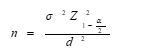
This cross-sectional study was conducted among 506 pregnant women attending urban comprehensive health centers in Gorgan, Iran, between January 2023 and September 2024. The sample size was calculated assuming a standard deviation (σ) of 4 for pregnant women's knowledge scores regarding toxoplasmosis, a 95% confidence level (α = 0.05), and a precision of d = 0.5, using the following formula:
The initial sample size was estimated at 246 participants. Because cluster sampling was employed, a design effect of 1.5 was applied, resulting in a required sample size of 369 participants. However, to obtain more accurate and comprehensive data, a total of 506 participants were ultimately included in the analysis, consistent with the sample size used in the study by Mostafavian et al. (16). Participants were selected using a stratified multistage cluster sampling method. First, the city of Gorgan was divided into three geographical strata (Northern, central, and southern districts). From each stratum, five urban comprehensive health centers were randomly selected to ensure representation across different socioeconomic areas. The number of participants recruited from each center was proportional to the size of the pregnant population served by that facility. Within each selected health center, the sampling frame consisted of all pregnant women with active prenatal care records who met the inclusion criteria. Eligible participants were then selected using systematic random sampling. A random starting point was chosen, after which every kth individual (Where k = the total number of registered pregnant women at the center divided by the required sample size for that center) was selected until the desired sample size was achieved. This procedure ensured a random and unbiased selection of participants from each health center.
The inclusion criteria were literacy, having an active prenatal care record at one of the selected health centers, and willingness to participate in the study. The exclusion criteria included inability to understand the questionnaire items and formal education in medical sciences, which might have introduced bias because of prior knowledge of the subject.
To assess participants' knowledge and preventive practices regarding toxoplasmosis, the questionnaire developed by Mostafavian et al. was used (16). The final instrument consisted of demographic questions and knowledge items with three response options ("Yes," "No," and "Not sure"). The knowledge items were categorized into four domains: general information about toxoplasmosis (4 items; questions 3-6), disease risk factors (5 items; questions 7-11), symptoms and complications (5 items; questions 12-16), and preventive measures (4 items; questions 17-20). In addition, five items (questions 21-25) assessed participants' preventive practices.
Each correct response received one point, whereas incorrect and "Not sure" responses received zero points. Knowledge levels were classified as poor (<33% correct responses), moderate (33-66%), or good (>66%). In the present study, 77% of participants answered the practice-related questions correctly.
The validity of the questionnaire, including face and content validity, had previously been established by a panel comprising two specialists in social medicine and two specialists in infectious diseases (16). Reliability was evaluated using Cronbach's alpha in a pilot study involving 20 participants. The overall Cronbach's alpha coefficient was 0.93, indicating excellent internal consistency. The Cronbach's alpha coefficients for the subscales were 0.79 for general information, 0.79 for risk factors, 0.77 for symptoms and complications, and 0.75 for prevention methods.
Statistical analysis
Following data collection, the data were entered into IBM SPSS Statistics version 25 for analysis. Descriptive statistics were used to summarize the data. Measures of central tendency (Mean and median) and dispersion (Standard deviation and range) were calculated for continuous variables, whereas frequencies and percentages were calculated for categorical variables.
Before conducting inferential analyses, data normality was assessed using the Kolmogorov–Smirnov test. For normally distributed variables, appropriate parametric tests were applied according to the study objectives. One-way analysis of variance (ANOVA) was used to compare means among independent groups, two-way ANOVA was used to examine the effects of two independent variables and their interaction, and Pearson's correlation coefficient was used to assess linear relationships between continuous variables.
Subsequently, univariate and multivariable linear regression analyses were performed to identify independent predictors of the outcome variables. Variables demonstrating statistically significant associations in the bivariate analyses (Maternal age and household income), together with variables considered theoretically relevant (Educational level and occupation), were entered into the multivariable regression model for knowledge scores.
For variables that were not normally distributed, appropriate nonparametric tests were applied. A two-sided P value < 0.05 was considered statistically significant for all analyses.
Results
A total of 506 pregnant women participated in this study. The quantitative demographic characteristics of the participants were as follows: the mean maternal age was 26.79 ± 6.88 years (Range: 15-50 years), the mean gestational age was 25.88 ± 9.04 weeks (Range: 5-40 weeks), the mean number of pregnancies was 2.08 ± 1.18 (Range: 0-8), and the mean number of previous abortions was 0.27 ± 0.58. Regarding educational attainment, 190 participants (37.5%) had elementary education, 176 (34.8%) had completed high school, and 140 (27.7%) held a diploma or higher academic qualification. With respect to occupation, 334 women (66.0%) were housewives, 93 (18.4%) were students, 33 (6.5%) were employed, and 46 (9.1%) were self-employed. Regarding obstetric history, 362 participants (71.5%) were in their first or second pregnancy, while 397 (78.5%) reported no history of abortion.
The mean score for the 23 knowledge items was 11.14 ± 5.10 (Range: 0-23). The first two questionnaire items assessed preventive behaviors rather than knowledge. Specifically, 58 participants (11.5%) reported having previously read educational materials about toxoplasmosis, whereas only 19 (3.8%) reported having undergone serological testing for toxoplasmosis. These behavioral items were excluded from the calculation of the knowledge score but were completed by all participants.
The 23 knowledge items were classified into five domains. Preventive practice yielded the highest mean score (77.0%), while general information, disease risk factors, and symptoms/complications demonstrated comparatively lower levels of knowledge (Tables 1 and 2).
Participants' knowledge assessment
The mean total knowledge score (Maximum score = 23) was 11.14 ± 5.10 (Range: 0-23). Based on the predefined classification criteria (Poor: <33%, Moderate: 33-66%, and Good: >66%), most participants (228; 45.1%) demonstrated a moderate level of knowledge, followed by 211 (41.7%) with poor knowledge and 67 (13.2%) with good knowledge. Overall, 86.8% of participants had poor to moderate knowledge regarding toxoplasmosis.
The association between occupation and knowledge score was assessed using one-way ANOVA, which showed no statistically significant differences among occupational groups (F = 0.006, P = 0.99). Similarly, the association between occupation and knowledge categories (Poor, moderate, and good) was examined using the chi-square test, which also showed no statistically significant association (P = 0.53). The highest proportions of poor and moderate knowledge were observed among housewives, followed by students and self-employed participants, whereas employed women exhibited the lowest proportion of poor knowledge. The proportion of participants with good knowledge was 13.4% among housewives, 11.8% among students, 21.2% among employed women, and 8.7% among self-employed women.
Following categorization of the study variables, one-way ANOVA demonstrated that maternal age and household income were significantly associated with knowledge scores (P < 0.05). Participants aged 25 years or older had significantly higher knowledge scores than younger participants. In contrast, gestational age, number of pregnancies, number of abortions, occupation, and educational level were not significantly associated with knowledge scores (Table 3).
Participants' practice scores
Maternal age, gestational age, educational level, household income, number of pregnancies, and number of abortions were normally distributed according to the Kolmogorov–Smirnov test (P < 0.001). Accordingly, Pearson's correlation coefficient was used to examine their associations with practice scores.
Toxoplasmosis is one of the most widespread zoonotic parasitic diseases worldwide and is caused by the intracellular protozoan parasite Toxoplasma gondii. It is estimated that nearly one-third of the global population has been exposed to this parasite at some point in life, making toxoplasmosis a major public health concern (1-4). Domestic cats and other felids serve as the definitive hosts because they are the only animals capable of shedding environmentally resistant oocysts in their feces. The life cycle of Toxoplasma gondii comprises three major infectious forms: rapidly replicating tachyzoites, which are responsible for acute infection; bradyzoites, which persist within tissue cysts in intermediate hosts such as humans and livestock; and environmentally resistant oocysts, which may remain viable for several months under favorable environmental conditions (1).
Humans typically acquire the infection through the ingestion of food or water contaminated with oocysts, consumption of raw or undercooked meat containing tissue cysts, or vertical transmission from an infected mother to the fetus during pregnancy (2). Congenital transmission occurs when tachyzoites cross the placental barrier, potentially resulting in severe fetal and neonatal complications, including chorioretinitis, hydrocephalus, intracranial calcifications, and developmental delay (5,6). Evidence suggests that infections acquired through the ingestion of oocysts may be more virulent than those associated with tissue cyst consumption (7).
In immunocompetent individuals, clinical manifestations occur in only 10-20% of cases, and diagnosis is commonly established through the serological detection of specific IgM and IgG antibodies (1). Most infections are asymptomatic or present with mild, nonspecific influenza-like symptoms, such as fever, fatigue, myalgia, and lymphadenopathy, which may resemble other infectious diseases, including Lyme disease, Q fever, or viral illnesses such as mumps (8). Consequently, this nonspecific clinical presentation often results in delayed diagnosis or misdiagnosis (8).
The prevalence of toxoplasmosis varies considerably across geographical regions, ranging from 10% to 80%. In Iran, the prevalence of toxoplasmosis has been reported to be 37% among various host populations and 41.1% among pregnant women (9,10). Lower prevalence rates have been reported in Southeast Asia, North America, and Northern Europe, whereas higher rates have been observed in tropical regions of Africa and Latin America (11). Furthermore, the prevalence of infection tends to increase with age (12). Pregnant women and immunocompromised individuals are at greater risk of developing severe complications associated with toxoplasmosis. Transmission may also occur through blood transfusion from asymptomatic infected donors (13).
Tissue cysts present in contaminated meat can be effectively destroyed through appropriate cooking or freezing procedures. Cooking meat to an internal temperature of at least 67°C or freezing it at -13°C has been shown to inactivate Toxoplasma gondii (14).
In Iran, studies on this topic remain limited, and most have focused on the seroepidemiology of toxoplasmosis among pregnant women. Nayebzade et al. assessed awareness of toxoplasmosis among 1,192 pregnant women in Qom, Shiraz, and Khorramabad and reported generally poor awareness across all three cities. Specifically, 93% of participants in Khorramabad, 87.5% in Shiraz, and 85.5% in Qom lacked adequate knowledge of the disease (15). Similarly, Mostafavian et al. reported that 83.2% of pregnant women had insufficient knowledge regarding toxoplasmosis, indicating an overall low level of awareness (16).
Given the potentially serious consequences of toxoplasmosis for fetuses and infants born to infected mothers, assessing awareness and preventive practices among high-risk populations is essential. Therefore, the present study aimed to evaluate the knowledge and preventive practices of pregnant women regarding toxoplasmosis, its routes of transmission, and preventive measures.
Methods
This cross-sectional study was conducted among 506 pregnant women attending urban comprehensive health centers in Gorgan, Iran, between January 2023 and September 2024. The sample size was calculated assuming a standard deviation (σ) of 4 for pregnant women's knowledge scores regarding toxoplasmosis, a 95% confidence level (α = 0.05), and a precision of d = 0.5, using the following formula:
The initial sample size was estimated at 246 participants. Because cluster sampling was employed, a design effect of 1.5 was applied, resulting in a required sample size of 369 participants. However, to obtain more accurate and comprehensive data, a total of 506 participants were ultimately included in the analysis, consistent with the sample size used in the study by Mostafavian et al. (16). Participants were selected using a stratified multistage cluster sampling method. First, the city of Gorgan was divided into three geographical strata (Northern, central, and southern districts). From each stratum, five urban comprehensive health centers were randomly selected to ensure representation across different socioeconomic areas. The number of participants recruited from each center was proportional to the size of the pregnant population served by that facility. Within each selected health center, the sampling frame consisted of all pregnant women with active prenatal care records who met the inclusion criteria. Eligible participants were then selected using systematic random sampling. A random starting point was chosen, after which every kth individual (Where k = the total number of registered pregnant women at the center divided by the required sample size for that center) was selected until the desired sample size was achieved. This procedure ensured a random and unbiased selection of participants from each health center.
The inclusion criteria were literacy, having an active prenatal care record at one of the selected health centers, and willingness to participate in the study. The exclusion criteria included inability to understand the questionnaire items and formal education in medical sciences, which might have introduced bias because of prior knowledge of the subject.
To assess participants' knowledge and preventive practices regarding toxoplasmosis, the questionnaire developed by Mostafavian et al. was used (16). The final instrument consisted of demographic questions and knowledge items with three response options ("Yes," "No," and "Not sure"). The knowledge items were categorized into four domains: general information about toxoplasmosis (4 items; questions 3-6), disease risk factors (5 items; questions 7-11), symptoms and complications (5 items; questions 12-16), and preventive measures (4 items; questions 17-20). In addition, five items (questions 21-25) assessed participants' preventive practices.
Each correct response received one point, whereas incorrect and "Not sure" responses received zero points. Knowledge levels were classified as poor (<33% correct responses), moderate (33-66%), or good (>66%). In the present study, 77% of participants answered the practice-related questions correctly.
The validity of the questionnaire, including face and content validity, had previously been established by a panel comprising two specialists in social medicine and two specialists in infectious diseases (16). Reliability was evaluated using Cronbach's alpha in a pilot study involving 20 participants. The overall Cronbach's alpha coefficient was 0.93, indicating excellent internal consistency. The Cronbach's alpha coefficients for the subscales were 0.79 for general information, 0.79 for risk factors, 0.77 for symptoms and complications, and 0.75 for prevention methods.
Statistical analysis
Following data collection, the data were entered into IBM SPSS Statistics version 25 for analysis. Descriptive statistics were used to summarize the data. Measures of central tendency (Mean and median) and dispersion (Standard deviation and range) were calculated for continuous variables, whereas frequencies and percentages were calculated for categorical variables.
Before conducting inferential analyses, data normality was assessed using the Kolmogorov–Smirnov test. For normally distributed variables, appropriate parametric tests were applied according to the study objectives. One-way analysis of variance (ANOVA) was used to compare means among independent groups, two-way ANOVA was used to examine the effects of two independent variables and their interaction, and Pearson's correlation coefficient was used to assess linear relationships between continuous variables.
Subsequently, univariate and multivariable linear regression analyses were performed to identify independent predictors of the outcome variables. Variables demonstrating statistically significant associations in the bivariate analyses (Maternal age and household income), together with variables considered theoretically relevant (Educational level and occupation), were entered into the multivariable regression model for knowledge scores.
For variables that were not normally distributed, appropriate nonparametric tests were applied. A two-sided P value < 0.05 was considered statistically significant for all analyses.
Results
A total of 506 pregnant women participated in this study. The quantitative demographic characteristics of the participants were as follows: the mean maternal age was 26.79 ± 6.88 years (Range: 15-50 years), the mean gestational age was 25.88 ± 9.04 weeks (Range: 5-40 weeks), the mean number of pregnancies was 2.08 ± 1.18 (Range: 0-8), and the mean number of previous abortions was 0.27 ± 0.58. Regarding educational attainment, 190 participants (37.5%) had elementary education, 176 (34.8%) had completed high school, and 140 (27.7%) held a diploma or higher academic qualification. With respect to occupation, 334 women (66.0%) were housewives, 93 (18.4%) were students, 33 (6.5%) were employed, and 46 (9.1%) were self-employed. Regarding obstetric history, 362 participants (71.5%) were in their first or second pregnancy, while 397 (78.5%) reported no history of abortion.
The mean score for the 23 knowledge items was 11.14 ± 5.10 (Range: 0-23). The first two questionnaire items assessed preventive behaviors rather than knowledge. Specifically, 58 participants (11.5%) reported having previously read educational materials about toxoplasmosis, whereas only 19 (3.8%) reported having undergone serological testing for toxoplasmosis. These behavioral items were excluded from the calculation of the knowledge score but were completed by all participants.
The 23 knowledge items were classified into five domains. Preventive practice yielded the highest mean score (77.0%), while general information, disease risk factors, and symptoms/complications demonstrated comparatively lower levels of knowledge (Tables 1 and 2).
Participants' knowledge assessment
The mean total knowledge score (Maximum score = 23) was 11.14 ± 5.10 (Range: 0-23). Based on the predefined classification criteria (Poor: <33%, Moderate: 33-66%, and Good: >66%), most participants (228; 45.1%) demonstrated a moderate level of knowledge, followed by 211 (41.7%) with poor knowledge and 67 (13.2%) with good knowledge. Overall, 86.8% of participants had poor to moderate knowledge regarding toxoplasmosis.
The association between occupation and knowledge score was assessed using one-way ANOVA, which showed no statistically significant differences among occupational groups (F = 0.006, P = 0.99). Similarly, the association between occupation and knowledge categories (Poor, moderate, and good) was examined using the chi-square test, which also showed no statistically significant association (P = 0.53). The highest proportions of poor and moderate knowledge were observed among housewives, followed by students and self-employed participants, whereas employed women exhibited the lowest proportion of poor knowledge. The proportion of participants with good knowledge was 13.4% among housewives, 11.8% among students, 21.2% among employed women, and 8.7% among self-employed women.
Following categorization of the study variables, one-way ANOVA demonstrated that maternal age and household income were significantly associated with knowledge scores (P < 0.05). Participants aged 25 years or older had significantly higher knowledge scores than younger participants. In contrast, gestational age, number of pregnancies, number of abortions, occupation, and educational level were not significantly associated with knowledge scores (Table 3).
Participants' practice scores
Maternal age, gestational age, educational level, household income, number of pregnancies, and number of abortions were normally distributed according to the Kolmogorov–Smirnov test (P < 0.001). Accordingly, Pearson's correlation coefficient was used to examine their associations with practice scores.
|
Table 1. Frequency distribution of responses to toxoplasmosis knowledge questions in pregnant women (n = 506)
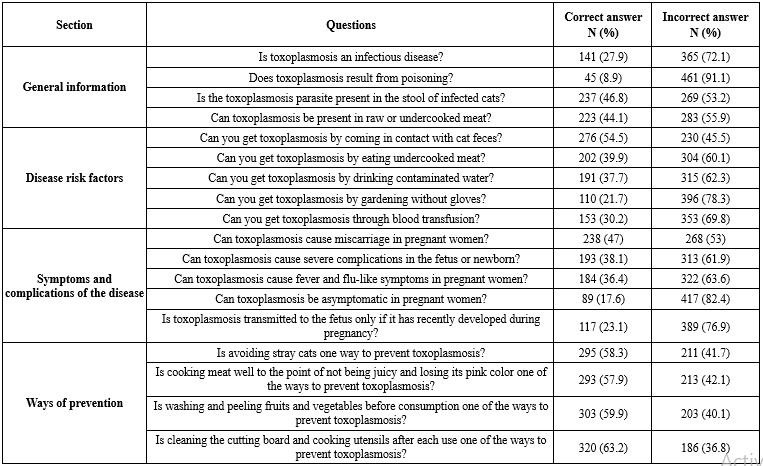 Table 2. Frequency distribution of responses to toxoplasmosis practice questions among pregnant women (n = 506)  *Reverse-scored item: For this question, "No" is the correct answer (Indicating appropriate preventive practice). |
Among these variables, only household income demonstrated a statistically significant positive correlation with practice score (r = 0.10, P = 0.02), indicating that higher household income was associated with better preventive practices. No statistically significant correlations were observed between practice scores and the remaining variables (P > 0.05) (Table 4).
Comparison of practice scores across occupational and demographic categories
The association between occupation and practice score was examined using one-way ANOVA, which revealed no statistically significant differences among occupational groups (F = 2.15, P = 0.09).
The relationships between practice scores and the four knowledge domains were subsequently evaluated using Pearson's correlation coefficient. Practice score was not significantly associated with knowledge related to general information or disease risk factors (P > 0.05). However, significant positive correlations were observed between practice score and knowledge of symptoms and complications (r = 0.11, P < 0.001), as well as knowledge of preventive measures (r = 0.09, P = 0.03).
When demographic variables were categorized and analyzed using one-way ANOVA, none of the examined factors-including maternal age, gestational age, household income, number of pregnancies, number of abortions, occupation, and educational level-showed statistically significant associations with practice scores (P > 0.05).
Similarly, in the adjusted multivariable linear regression model, none of the sociodemographic variables, including maternal age, gestational age, number of pregnancies, number of abortions, occupation, or educational level, were independently associated with preventive practice scores (P > 0.05) (Table 4). However, multivariable regression analysis demonstrated that household income and maternal age were independent predictors of knowledge scores, whereas household income and knowledge score independently predicted preventive practice scores. No statistically significant associations were observed for gestational age, number of pregnancies, number of abortions, occupation, or educational level.
Association between knowledge and practice scores
Both knowledge and practice scores were normally distributed according to the Kolmogorov–Smirnov test (P < 0.01). Pearson's correlation analysis demonstrated a statistically significant positive correlation between knowledge and practice scores (r = 0.10, P = 0.01), indicating that higher levels of knowledge were associated with better preventive practices (Table 5).
The multivariable regression model for knowledge score showed that maternal age (B = 0.09, 95% CI: 0.03-0.15, P = 0.005) and household income (B = 0.11, 95% CI: 0.04-0.18, P = 0.002) remained statistically significant independent predictors. After adjustment for other variables, each one-year increase in maternal age was associated with a 0.09-point increase in knowledge score, whereas each one-category increase in household income was associated with a 0.11-point increase in knowledge score. In contrast, educational level (P = 0.48) and occupation (P = 0.78) were not independently associated with knowledge score.
For practice score, the multivariable regression model demonstrated that household income (B = 0.06, 95% CI: 0.01–0.11, P = 0.01) was the only significant independent predictor. Maternal age (P = 0.64), educational level (P = 0.31), and occupation (P = 0.92) were not significantly associated with practice score after adjustment for other variables. Notably, when knowledge score was entered into the model as an independent variable, it also demonstrated a significant positive association with practice score (B = 0.02, 95% CI: 0.01–0.03, P = 0.01), confirming the bivariate finding that greater knowledge predicts better preventive practice.
Comparison of practice scores across occupational and demographic categories
The association between occupation and practice score was examined using one-way ANOVA, which revealed no statistically significant differences among occupational groups (F = 2.15, P = 0.09).
The relationships between practice scores and the four knowledge domains were subsequently evaluated using Pearson's correlation coefficient. Practice score was not significantly associated with knowledge related to general information or disease risk factors (P > 0.05). However, significant positive correlations were observed between practice score and knowledge of symptoms and complications (r = 0.11, P < 0.001), as well as knowledge of preventive measures (r = 0.09, P = 0.03).
When demographic variables were categorized and analyzed using one-way ANOVA, none of the examined factors-including maternal age, gestational age, household income, number of pregnancies, number of abortions, occupation, and educational level-showed statistically significant associations with practice scores (P > 0.05).
Similarly, in the adjusted multivariable linear regression model, none of the sociodemographic variables, including maternal age, gestational age, number of pregnancies, number of abortions, occupation, or educational level, were independently associated with preventive practice scores (P > 0.05) (Table 4). However, multivariable regression analysis demonstrated that household income and maternal age were independent predictors of knowledge scores, whereas household income and knowledge score independently predicted preventive practice scores. No statistically significant associations were observed for gestational age, number of pregnancies, number of abortions, occupation, or educational level.
Association between knowledge and practice scores
Both knowledge and practice scores were normally distributed according to the Kolmogorov–Smirnov test (P < 0.01). Pearson's correlation analysis demonstrated a statistically significant positive correlation between knowledge and practice scores (r = 0.10, P = 0.01), indicating that higher levels of knowledge were associated with better preventive practices (Table 5).
The multivariable regression model for knowledge score showed that maternal age (B = 0.09, 95% CI: 0.03-0.15, P = 0.005) and household income (B = 0.11, 95% CI: 0.04-0.18, P = 0.002) remained statistically significant independent predictors. After adjustment for other variables, each one-year increase in maternal age was associated with a 0.09-point increase in knowledge score, whereas each one-category increase in household income was associated with a 0.11-point increase in knowledge score. In contrast, educational level (P = 0.48) and occupation (P = 0.78) were not independently associated with knowledge score.
For practice score, the multivariable regression model demonstrated that household income (B = 0.06, 95% CI: 0.01–0.11, P = 0.01) was the only significant independent predictor. Maternal age (P = 0.64), educational level (P = 0.31), and occupation (P = 0.92) were not significantly associated with practice score after adjustment for other variables. Notably, when knowledge score was entered into the model as an independent variable, it also demonstrated a significant positive association with practice score (B = 0.02, 95% CI: 0.01–0.03, P = 0.01), confirming the bivariate finding that greater knowledge predicts better preventive practice.
|
Table 3. Association between demographic/pregnancy characteristics and knowledge scores (n = 506)
.PNG) SD = Standard Deviation. For binary variables (Mother's age), an independent samples t-test was used. For variables with ≥3 categories, one-way ANOVA was applied. Statistically significant P-values (p < 0.05) are shown in bold. |
|
Table 4. Association between demographic/pregnancy characteristics and practice scores (n = 506)
.PNG) SD = Standard Deviation. For binary variables (Mother's age), an independent samples t-test was used. For variables with ≥3 categories, one-way ANOVA was applied. No statistically significant differences were observed in practice scores across any of the demographic categories (P > 0.05 for all comparisons). Table 5. Knowledge and practice scores regarding toxoplasmosis among pregnant women (N = 506) .PNG) * Reverse-scored item: "Do you eat raw or semi-cooked meat?" (Correct answer: No) ** Pearson Correlation Coefficient SD = Standard Deviation |
Discussion
The findings of the present study indicate that although a considerable proportion of pregnant women had limited knowledge regarding toxoplasmosis, most participants demonstrated relatively appropriate preventive practices. This discrepancy between knowledge and behavior may suggest that preventive practices are influenced not only by disease-specific awareness but also by general hygienic behaviors and cultural practices adopted during pregnancy.
Previous studies have reported considerable variation in awareness levels across different geographical regions. In the present study, 11.5% of participants reported having heard or read about toxoplasmosis. This proportion is substantially lower than the 48% reported by Jones et al. in the United States (17) and the 22.4% reported by Eroğlu et al. in Turkey (18). However, it is comparable to the 11% reported by Andiappan et al. in Thailand (19).
In contrast, studies conducted in Poland have reported substantially higher levels of awareness. Smereka et al. (20) found that 94.4% of pregnant women possessed a high level of basic knowledge regarding toxoplasmosis. This marked difference highlights the important role of healthcare systems in patient education. In the Polish study, healthcare professionals were identified as the primary source of information, whereas television and the internet represented the principal information sources in the present study.
Regarding knowledge of disease characteristics, 77.4% of participants correctly recognized toxoplasmosis as a zoonotic disease, whereas only 41.7% correctly identified it as a parasitic infection. Consistent with findings from previous studies, the association between cats and toxoplasmosis was the most widely recognized aspect of disease transmission. Specifically, 46.8% of participants correctly identified cat feces as a source of Toxoplasma gondii, and 54.5% recognized transmission through contact with infected cats. These findings are comparable with those reported in Brazil (46%) and global estimates (38%), although lower than the 86.5% reported by Atif et al. (21,22).
Nevertheless, awareness of the transmission routes of toxoplasmosis remains inadequate. Similar to the findings of Millar et al., in which 83% of participants were unaware of the symptoms of toxoplasmosis, 96% of participants in the present study were unfamiliar with potential clinical manifestations, including fever and influenza-like symptoms (23). Although toxoplasmosis is frequently asymptomatic during pregnancy, awareness of its possible clinical manifestations is essential for early diagnosis and the prevention of serious neonatal complications, including ocular involvement and death.
Compared with findings from other regional studies, only 13.2% of participants in the present study demonstrated good knowledge, whereas 45.1% had moderate knowledge and 41.7% had poor knowledge. This contrasts with the findings of Khan et al. in Pakistan (24), where only 31.2% of participants demonstrated poor knowledge, suggesting relatively greater awareness within that population. Furthermore, whereas Eroğlu et al. (18) identified parity as a significant determinant of knowledge and Mostafavian et al. (16) reported significant associations with age, educational level, and household income, the present study found that only maternal age and household income were significant predictors of knowledge. These differences underscore the importance of designing public health interventions that are tailored to local sociocultural contexts rather than assuming that determinants of knowledge are universal across populations.
Interestingly, younger maternal age was significantly associated with higher awareness levels in the present study, consistent with the findings of Smereka et al. (20). This observation may be explained by younger individuals' greater engagement with reading materials and their more frequent use of internet-based health information resources.
Despite relatively limited knowledge, participants demonstrated comparatively appropriate preventive practices. In the present study, 77% of participants provided correct responses to the practice-related items, with a mean practice score of 3.85 out of 5. Moreover, 96.2% reported washing their hands after handling raw meat, a finding comparable with those reported by Mostafavian et al. (98.6%) and Jones et al. (96%) (16,17). Similarly, 97.2% reported washing their hands after contact with cats, indicating generally appropriate hygienic practices despite limited theoretical knowledge. Overall, compliance with recommended hygiene practices was high, with 100% of participants reporting handwashing after gardening.
However, dietary risk behaviors remain an area of concern. In the present study, 14.2% of participants reported consuming raw or undercooked meat or liver, both of which are well-established routes of transmission for toxoplasmosis. Although this proportion is lower than the 25.3% reported by Mostafavian et al. (16), it remains higher than the 6% reported in a study conducted in the United States (17).
Awareness of diagnostic measures was also limited. Only 3.8% of participants reported having undergone serological testing for toxoplasmosis, a proportion lower than the 7% reported in the U.S. study (17), suggesting a potential gap in prenatal screening practices. Furthermore, a considerable proportion of participants were either unaware of or uncertain about the availability of blood tests for toxoplasmosis, highlighting the need to strengthen education regarding diagnostic screening during pregnancy.
This study has several limitations. First, the questionnaire consisted primarily of closed-ended yes/no questions, which may not have fully captured the depth of participants' knowledge and understanding. Future studies would benefit from incorporating open-ended questions, as well as collecting more detailed demographic information, including place of residence and sources of health information, to facilitate the design of targeted educational interventions. In addition, studies that simultaneously evaluate anti-Toxoplasma antibody status could provide valuable insight into the relationship between serological status, knowledge, and preventive behaviors.
One of the strengths of the present study, compared with previous single-city studies conducted in Iran, is its relatively large sample size. Nevertheless, the findings should be interpreted with caution when being generalized to the wider Iranian population because of potential regional, cultural, and socioeconomic differences across the country.
Conclusion
The findings of this study indicate that knowledge regarding toxoplasmosis among pregnant women in Gorgan, Iran, remains at a moderate to low level. In contrast, preventive practices were generally satisfactory, possibly reflecting the influence of established cultural hygiene behaviors and community-based health education. Integrating targeted education on toxoplasmosis into routine antenatal care services may help improve maternal knowledge and support preventive behaviors in endemic regions such as northern Iran. Future research should further investigate the complex relationships among sociodemographic factors, knowledge acquisition, and preventive practices to inform the development of context-specific public health interventions.
Acknowledgement
This study was derived from the medical thesis of M.A. Alizadeh (Faculty of medicine; project code: 113406). The authors gratefully acknowledge the Vice-Chancellor for Research and Technology of Golestan University of Medical Sciences for the financial support provided for this research. The authors also sincerely thank all the pregnant women who participated in this study for their valuable cooperation.
Funding Sources
This research was funded by Golestan University of Medical Sciences, Gorgan, Iran.
Ethical Statement
This study was conducted in accordance with the principles of the Declaration of Helsinki. Ethical approval was obtained from the Ethics Committee of Golestan University of Medical Sciences (Approval No. IR.GOUMS.REC.1402.340) before the commencement of the study.
At the beginning of the study, the objectives and procedures were explained to all eligible pregnant women. Written informed consent was obtained from all participants before enrollment. Participants were informed of their right to withdraw from the study at any time without any consequences. Following informed consent, the ethics approval documentation, consent forms, and questionnaires were completed. All personal information collected during the study was treated as strictly confidential and used solely for research purposes.
Conflicts of Interest
The authors declare that they have no competing interests.
Author Contributions
M.A. contributed to data collection, questionnaire administration, and data management. F.T. was responsible for study conceptualization, methodological design, statistical analysis, interpretation of the findings, manuscript drafting, and critical revision of the manuscript. Both authors approved the final version of the manuscript and agree to be accountable for all aspects of the work.
Data Availability Statement
The data supporting the findings of this study will be made available upon reasonable request, subject to review by the research team and in accordance with data confidentiality requirements.
Use of Artificial Intelligence
AI-assisted tools were used solely to support language editing. These tools were not involved in the data analysis, preparation of the scientific content, interpretation of the results, or scientific decision-making.
Type of study: Original Article |
Subject:
Management and Health System
References
1. Bieńkowski C, Aniszewska M, Kowalczyk M, Popielska J, Zawadka K, Ołdakowska A, Pokorska-Śpiewak M. Analysis of Preventable Risk Factors for Toxoplasma gondii Infection in Pregnant Women: Case-Control Study. J Clin Med. 2022; 11(4):1105. [View at Publisher] [DOI] [PMID] [Google Scholar]
2. Laboudi M, Taghy Z, Duieb O, Peyron F, Sadak A . Toxoplasma gondii seroprevalence among pregnant women in Rabat, Morocco. Trop Med Health. 2021;49(1):21. [View at Publisher] [DOI] [PMID] [Google Scholar]
3. Liponda M, Ng'weshemi S, Munisi D. Factors Associated With Toxoplasma gondii Infection Among Pregnant Women Admitted for Delivery in Selected Hospitalsin Dar es Salaam,Tanzania. Biomed Res Int. 2026:2026:8584162. [View at Publisher] [DOI] [PMID] [Google Scholar]
4. Aguirre AA, Longcore T, Barbieri M, Dabritz H, Hill D, Klein PN, et al. The One Health Approach to Toxoplasmosis: Epidemiology, Control, and Prevention Strategies. Ecohealth. 2019;16(2):378-90. [View at Publisher] [DOI] [PMID] [Google Scholar]
5. Lounis M, Aissaoui S, Ghouissem F, Souttou K. Evaluation of Awareness, Knowledge, Attitude and Practices Related to Toxoplasmosis Among Females in Algeria. Vet Sci. 2024;12(1):10. [View at Publisher] [DOI] [PMID] [Google Scholar]
6. Djurković-Djaković O, Dupouy-Camet J, Van der Giessen J, Dubey JP. Toxoplasmosis: overview from a one health perspective.Food Waterborne Parasitol. 2019:15:e00054. [View at Publisher] [DOI] [PMID] [Google Scholar]
7. Molan A, Nosaka K, Hunter M, Wang W. Global status of Toxoplasma gondii infection: systematic review and prevalence snapshots. Trop Biomed. 2019;36(4):898-925. [View at Publisher] [PMID] [Google Scholar]
8. Dubey JP. Outbreaks of clinical toxoplasmosis in humans: five decades of personal experience, perspectives and lessons learned. Parasit Vectors. 2021;14(1):263. [View at Publisher] [DOI] [PMID] [Google Scholar]
9. Asghari A, Ghasemi E, Yousefi A, Majidiani H.R. Toxoplasmosis and Its Current Status in Iran: A Narrative Review. J Rafsanjan Univ Med Sci. 2022;20(11):1253-78 [Persian]. [View at Publisher] [DOI]
10. Eskandari S, Mohammadi M. Prevalence of toxoplasma gondii in Iranian pregnant women: systematic review and meta-analysis. Iran J Obstet Gynecol Infertil. 2025;27(11):74-87. [View at Publisher] [DOI] [Google Scholar]
11. Salehi M, Solati A, Gholizad SH, Khajavian N, Hajavi J. Seroprevalence and Risk Factors for Toxoplasma gondii Infection among Women of Reproductive Age in Northeast Iran. Iran J Parasitol. 2025;20(4):524-33. [View at Publisher] [DOI] [Google Scholar]
12. Foroutan-Rad M, Khademvatan Sh, Majidiani H, Aryamand S, Rahim F, Malehi AS. Seroprevalence of Toxoplasma gondii in the Iranian pregnant women: a systematic review and meta-analysis. Acta tropica. 2016;158:160-9. [View at Publisher] [DOI] [PMID] [Google Scholar]
13. Foroutan M, Dalvand S, Daryani A, Ahmadpour E, Majidiani H, Khademvatan S, et al. Rolling up the pieces of a puzzle : a systematic review and meta - analysis of the prevalence of toxoplasmosis in Iran. Alexandria J Med. 2018;54(3):96 -189. [View at Publisher] [DOI] [Google Scholar]
14. Plaza J, Dámek F, Villena I, Innes EA, Katzer F, Hamilton CM. Detection of Toxoplasma gondii in retail meat samples in Scotland. Food Waterborne Parasitol. 2020:20:e00086. [View at Publisher] [DOI] [PMID] [Google Scholar]
15. Nayebzade H, Tarah Mj, Khodadadiyan V, Shakeri Z,Samei F, Ranjbar M. A study on the degree of awareness of pregnant women about Toxoplasmosis. J Zoonoses Res. 2014;2(1):9. [View at Publisher]
16. Mostafavian Z, Bazzazan S, Mokhtari H. Evaluation of knowledge and practice of pregnant women about Toxoplasmosis in Mashhad. Med J Mashhad Univ Med Sci. 2020;63(4):2537-49. [View at Publisher] [DOI] [Google Scholar]
17. Jones JL, Ogunmodede F, Scheftel J, Kirkland E, Lopez A, Schulkin J, et al. Toxoplasmosis-related knowledge and practices among pregnant women in the United States. Infect Dis Obstet Gynecol. 2003;11(3):139-45. [View at Publisher] [DOI] [PMID] [Google Scholar]
18. Eroglu S, Asgin N. Awareness, knowledge and risk factors of Toxoplasma gondii infection among pregnant women in the Western Black Sea region of Turkey. J Obstet Gynaecol. 2021;41(5):714-20. [View at Publisher] [DOI] [PMID] [Google Scholar]
19. Andiappan H, Nissapatorn V, Sawangjaroen N, Khaing S-L, Salibay CC, Cheung MM, et al. Knowledge and practice on Toxoplasma infection in pregnant women from Malaysia, Philippines, and Thailand. Front Microbiol. 2014;5:291. [View at Publisher] [DOI] [PMID] [Google Scholar]
20. Smereka, J, Lukasz Szarpak L, Ruetzler K, Schacham Y, Smereka A, Dabrowski M, and et al. A multicenter survey on toxoplasmosis knowledge among pregnant women in Poland (the TOWER study). BMC Pregnancy Childbirth. 2018;18(1):389. [View at Publisher] [DOI] [PMID] [Google Scholar]
21. Araujo Coelho DR, Oliveira da Luz R, Soares Melegario C, Vieira WF, Bahia-Oliveira LMG. Knowledge Gaps and Educational Opportunities in Congenital Toxoplasmosis: A Narrative Review of Brazilian and Global Perspectives. Trop Med Infect Dis. 2024;9(6):137. [View at Publisher] [DOI] [PMID] [Google Scholar]
22. Atif I, Touliun O, Darbona Z, Boussaa S. Knowledge and risk factors for toxoplasmosis among health professionals in Morocco. Scientific African. 2026;31(e03261). [View at Publisher] [DOI] [Google Scholar]
23. Millar PR, Moura FL, Bastos OM, Mattos DP, Fonseca AB, Sudré AP, et al. Toxoplasmosis-related knowledge among pregnant and postpartum women attended in public health units in Niterói, Rio de Janeiro, Brazil. Rev Inst Med Trop Sao Paulo. 2014;56(5):433-8. [View at Publisher] [DOI] [PMID] [Google Scholar]
24. Khan W, Rahman HU, Fadladdin YAJ, Rafiq N, Naz R, De Los Rios-Escalante PR, et al. Toxoplasmosis-Awareness and Knowledge of Pregnant Women in Rural Areas of Malakand Region,Pakistan. J Parasitol Res. 2023;2023:4603066. [View at Publisher] [DOI] [PMID] [Google Scholar]
Send email to the article author
| Rights and permissions | |
 |
This work is licensed under a Creative Commons Attribution-NonCommercial 4.0 International License. |
